Maintaining CNC Control Systems
Best Practices for Reliability and Precision
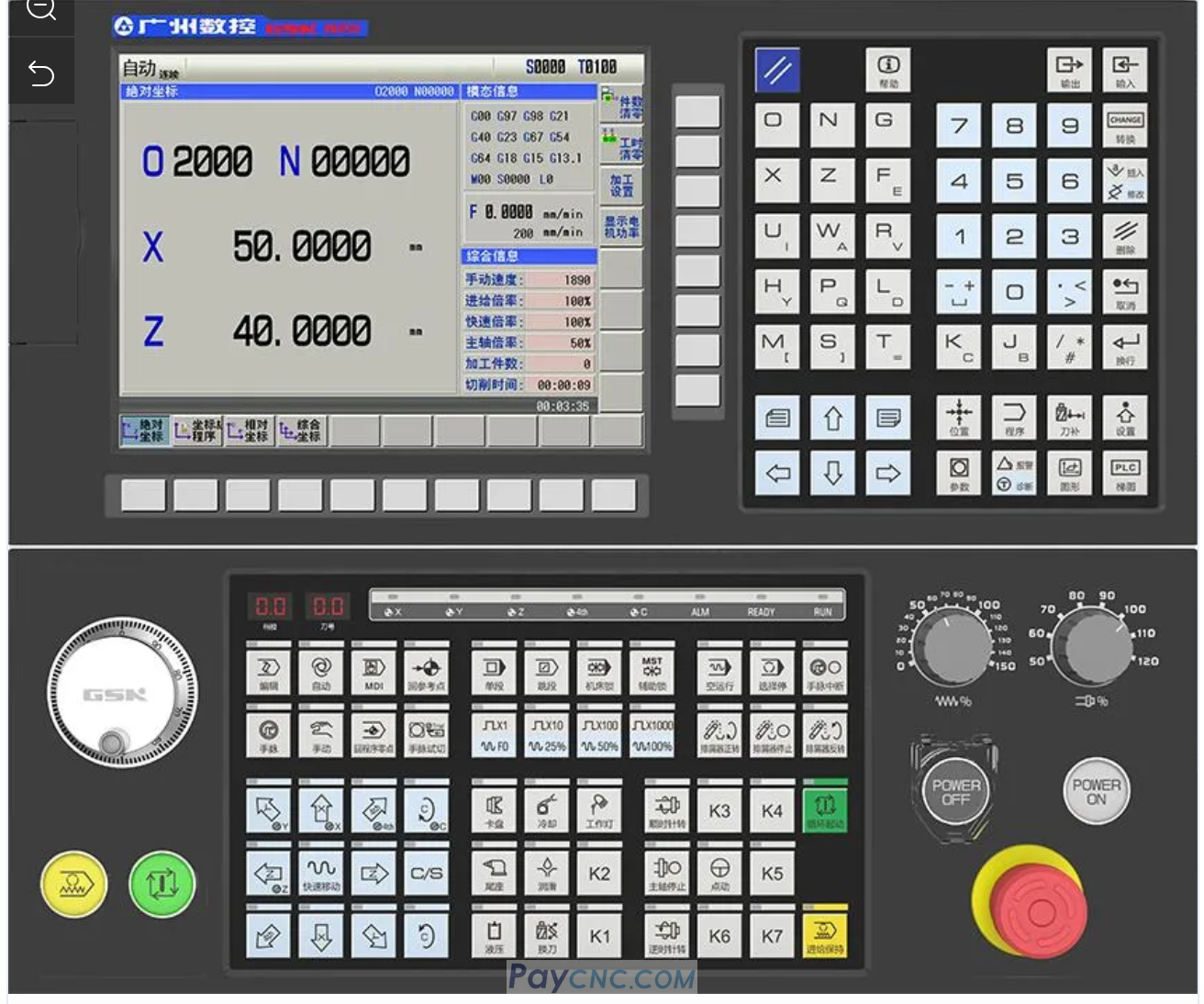
Computer Numerical Control (CNC) systems are at the core of modern manufacturing. They combine mechanical hardware, electronic components, and complex software to deliver high-precision machining across a wide range of industries. Because CNC machines often operate continuously and under demanding conditions, maintaining the CNC control system is essential to ensure long-term accuracy, productivity, and safety.
This article outlines key principles, common failure points, and best practices for maintaining CNC control systems.
Importance of CNC Control System Maintenance
The control system acts as the “brain” of the CNC machine. It interprets G-code, manages motion control, monitors sensors, and interfaces with mechanical subsystems. When the control system fails or becomes unstable, production stops immediately. Regular maintenance helps to:
Reduce unexpected downtime
Improve machining accuracy and repeatability
Protect electronic components from heat, dust, and vibration
Extend the lifespan of drives, motors, and control modules
Improve operator and machine safety
Common Issues in CNC Control Systems
Electrical Failures
Power supply degradation
Loose terminal connections
Damaged cables or connectors
Grounding and EMI interference problems
Symptoms include boot failures, random resets, screen flickering, or axis alarms.
Software and Parameter Problems
Corrupted system files
Incorrect PLC/PMC logic
Parameter loss due to battery failure
Firmware incompatibility
These issues often result in alarm codes, axis errors, or machine initialization failures.
Cooling and Environmental Issues
Dust accumulation inside the control cabinet
Failed fans or filters
Overheating of servo drives or power modules
Environmental factors—especially humidity—can accelerate corrosion.
Mechanical-Electrical Interface Problems
Encoder feedback errors
Sensor misalignment
Limit switch failure
These commonly cause servo errors, positioning inaccuracies, or prohibited machine movements.
Essential Maintenance Practices
Scheduled Cleaning of Control Cabinets
Remove dust with dry compressed air
Clean or replace filter mats
Inspect ventilation fans
Ensure all boards and connectors are dry and free of corrosion
A clean environment significantly reduces overheating and electrical failures.
Regular Inspection of Power and Grounding Systems
Measure output voltage of the power supply
Check grounding resistance
Ensure proper shielding of signal wires
Tighten terminals and bus bars
Stable power is critical for reliable machine control.
Backup and Verification of Parameters
Regularly back up CNC parameters, PLC/PMC programs, offset tables, and machine configurations
Verify backups after software upgrades or battery replacement
Store backups securely (USB, cloud, or internal network)
This prevents system corruption from turning into a long downtime event.
Servo System Maintenance
Check servo motor temperature and noise
Inspect encoder feedback lines
Verify servo gains, following error, and tuning status
Clean motor cooling channels
Proactive servo maintenance prevents axis instability and mechanical wear.
Battery Monitoring
Most CNC controls rely on batteries to retain memory (FANUC, Mitsubishi, Siemens, etc.).
Replace batteries every 1–2 years
Replace with power ON, when recommended by the manufacturer
Document replacement date and type
Battery failure can result in total loss of parameters.
Troubleshooting Guidelines
When the Control System Fails to Boot
Check power supply output and fuses
Inspect the main CPU board and memory modules
Confirm that system batteries are not dead
Review last known alarms or events
When Axis Alarms Occur
Check servo drive LEDs and alarm codes
Inspect encoder cables
Verify limit and home switches
Check servo gain settings
When the HMI or Display Is Unresponsive
Inspect the display power cable
Test the I/O panel connections
Check the operator panel PCB for damage
Reinstall or reload HMI software if necessary
Upgrading and Modernization
Older CNC systems may lack modern features or spare parts availability. Retrofitting or upgrading the control system can:
Improve motion accuracy
Reduce maintenance costs
Increase processing speed
Enhance connectivity (Ethernet, USB, fieldbus)
Extend overall machine life
Common upgrades include new servo drives, modern CNC controllers, touch-screen HMIs, and updated PLC logic.
Effective maintenance of CNC control systems is essential for maximizing machine uptime, ensuring machining precision, and protecting valuable equipment investments. By following a structured maintenance plan—covering electrical systems, software, cooling, servo components, and backups—manufacturers can significantly reduce failures and extend the lifespan of their CNC machines. |


